
The sweet smell of custard fills our shoe-box-sized apartment as yesterday’s pastéis de nata are warmed on the stove top. We head for the rooftop and, bothered by the idea of dishes, indulge straight from the pan. The December air feels particularly saturated with oxygen as we watch the city buzz on a Saturday morning.
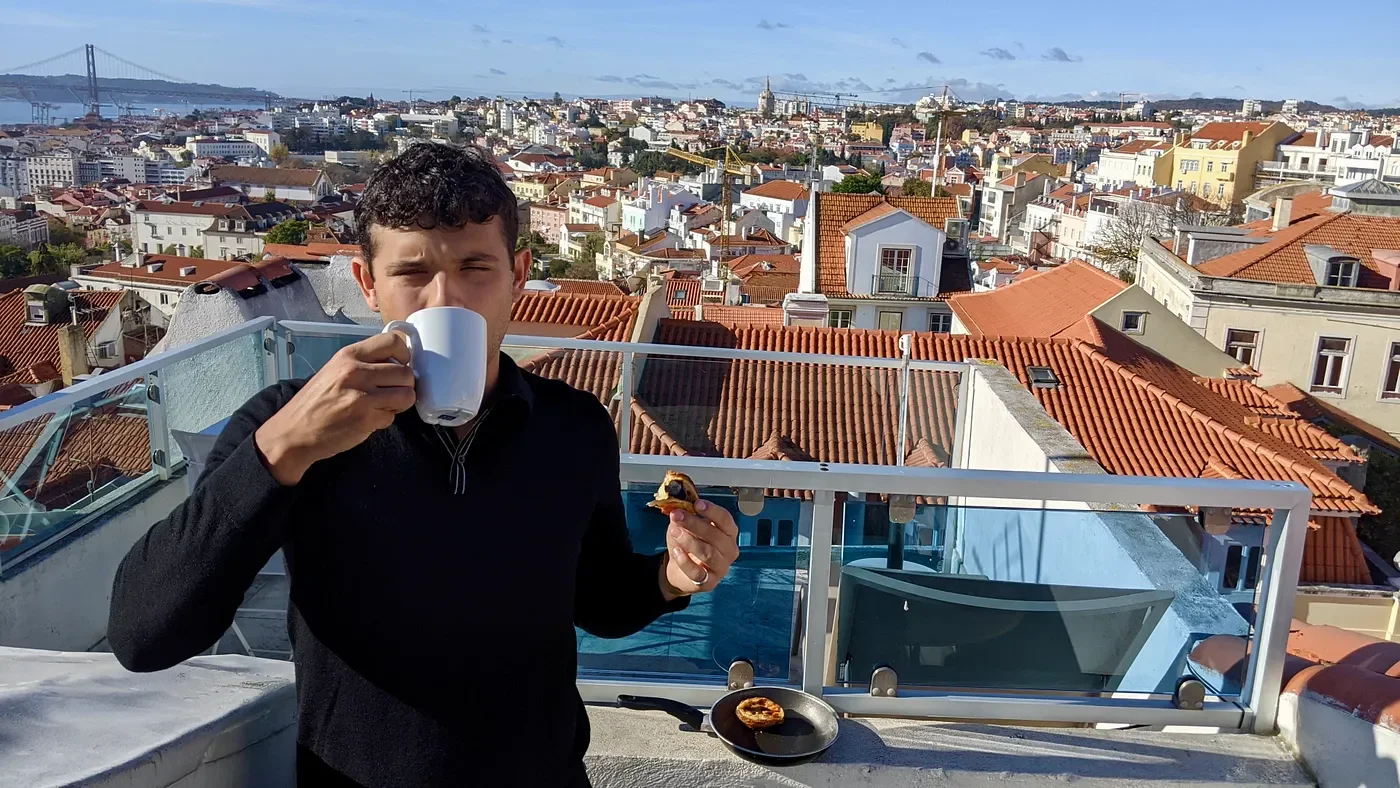
But we don’t have much time to meander in the panoramic views of Lisbon’s skyline. Tor’s tio, Paulo, is calling. Time to go.
We hop in tio Paulo’s little car (by American standards, of course) and head toward the winding roads of his childhood home: Sintra - an ancient mountain town in the western most point of continental Europe.
Chugging up the back roads in full gear, Paulo rolls his eyes at the required minibus they recently introduced up to one of the castles. Even as a regular rule breaker myself, I was a tad nervous we would get in trouble. But I put my faith in the seasoned Sintra expert -
and I’m glad I did.
Interwoven in the bumpy grooves of the cobblestone are the stories of his teenage years: biking incidents, mermaid sightings, car accidents, hitchhiking gone wrong. The blanket of warmth that swaddled us at the base of the mountain is quickly ripped as we ascend into the belly of the clouds.
We’re greeted at this elevation with massive mossy boulders who juxtaposed themselves against tilting trees: victims of the wind. When the fog collides with their leaves, the particles instantaneously exploded into mist. I forgot my water bottle in the car…so I drink the air.
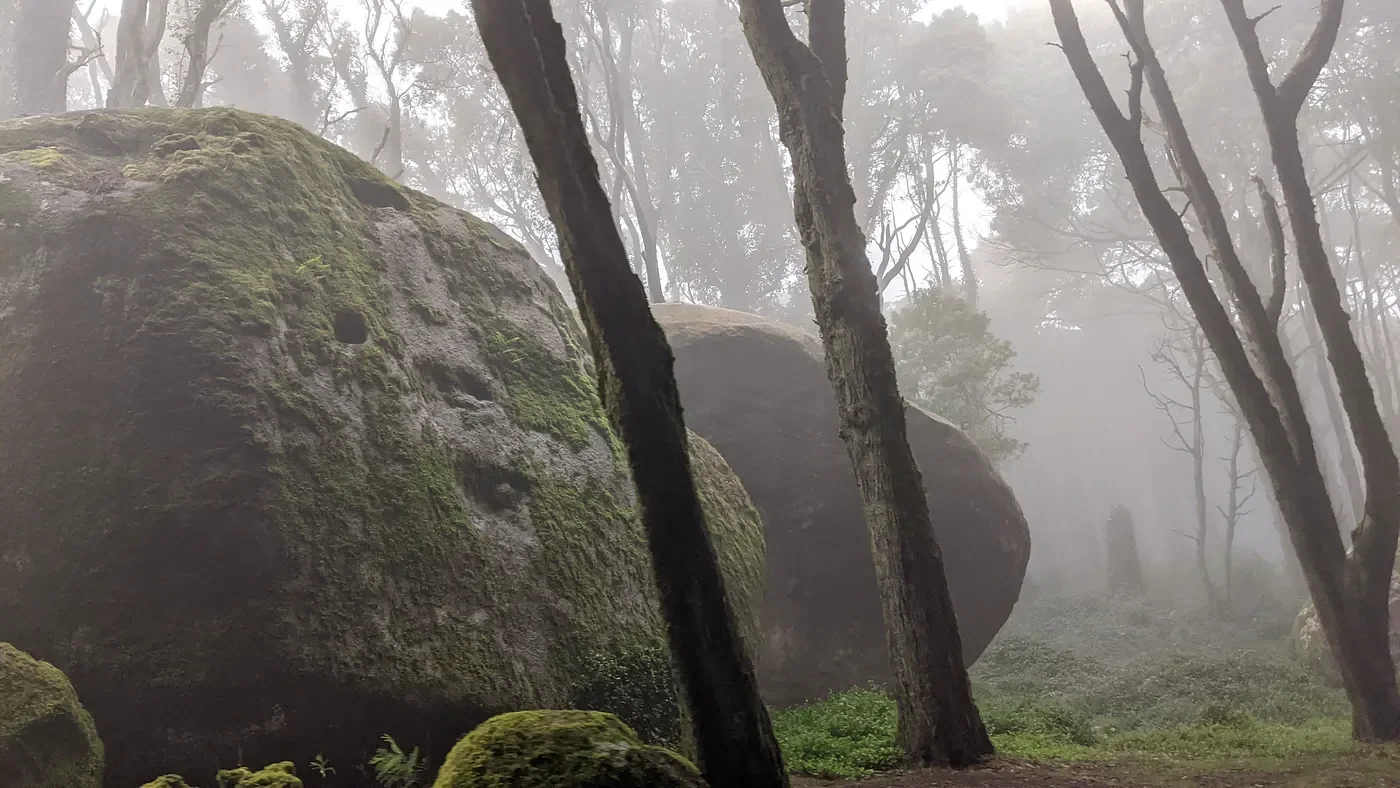
To reach the highest abandoned castle we climb through visible vortexes created by the high winds that knocked me over at one point and helped me defy gravity at another. Alone on the peak and blinded by the fog, we must rely on our sense of sound to prove that the waves of the Atlantic are in fact crashing against the rocks below us. As we stand at the western most point, tears accumulate from both the wind and the reminder that I’m alive.
Colors are restored as we descend back to mortality, and tio Paulo decides to treat us to his favorite cafe in town. Pages gently ripped from the spines of novels frame the walls, with underlined proof that the cafe had been referenced countless times throughout classic literature.
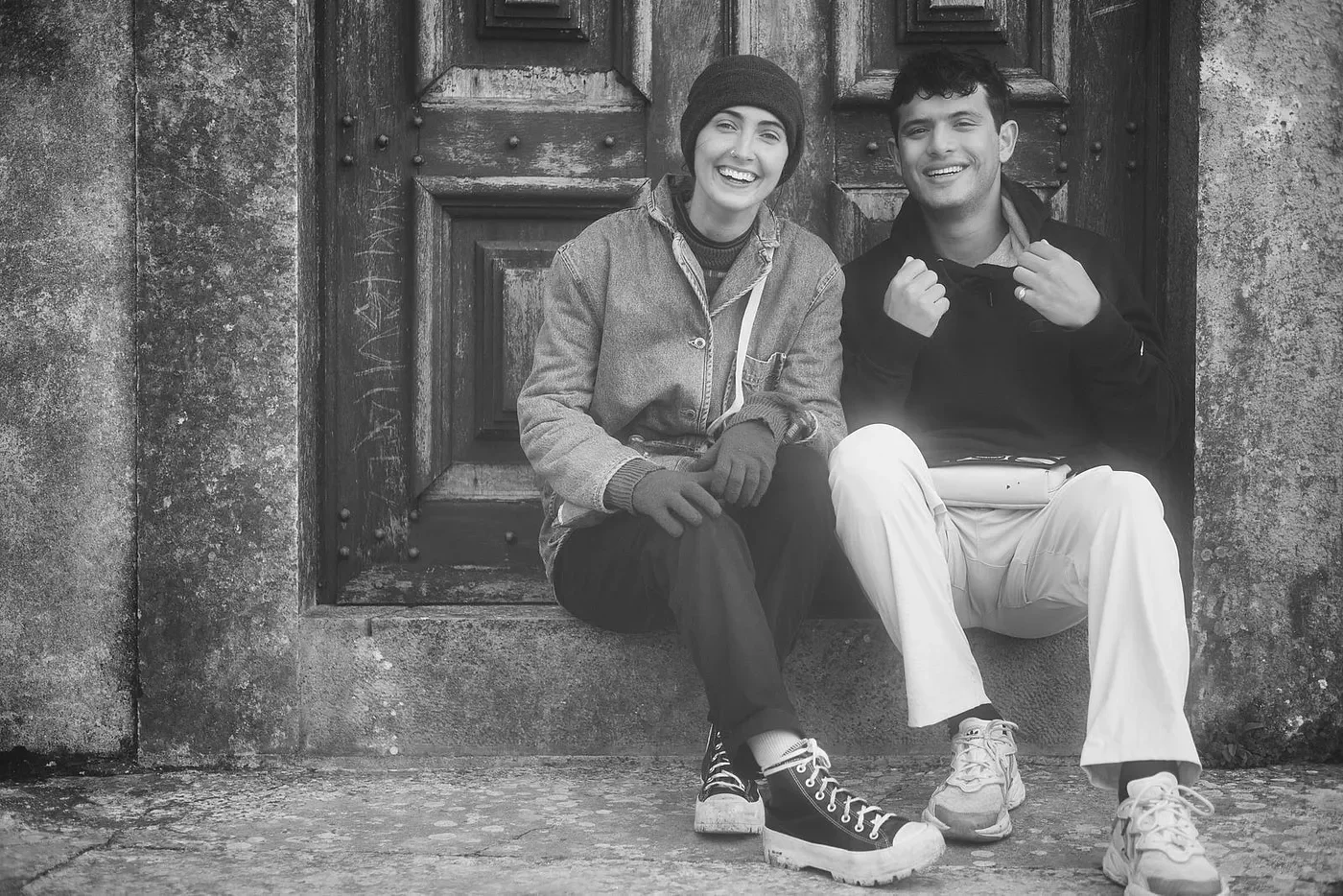
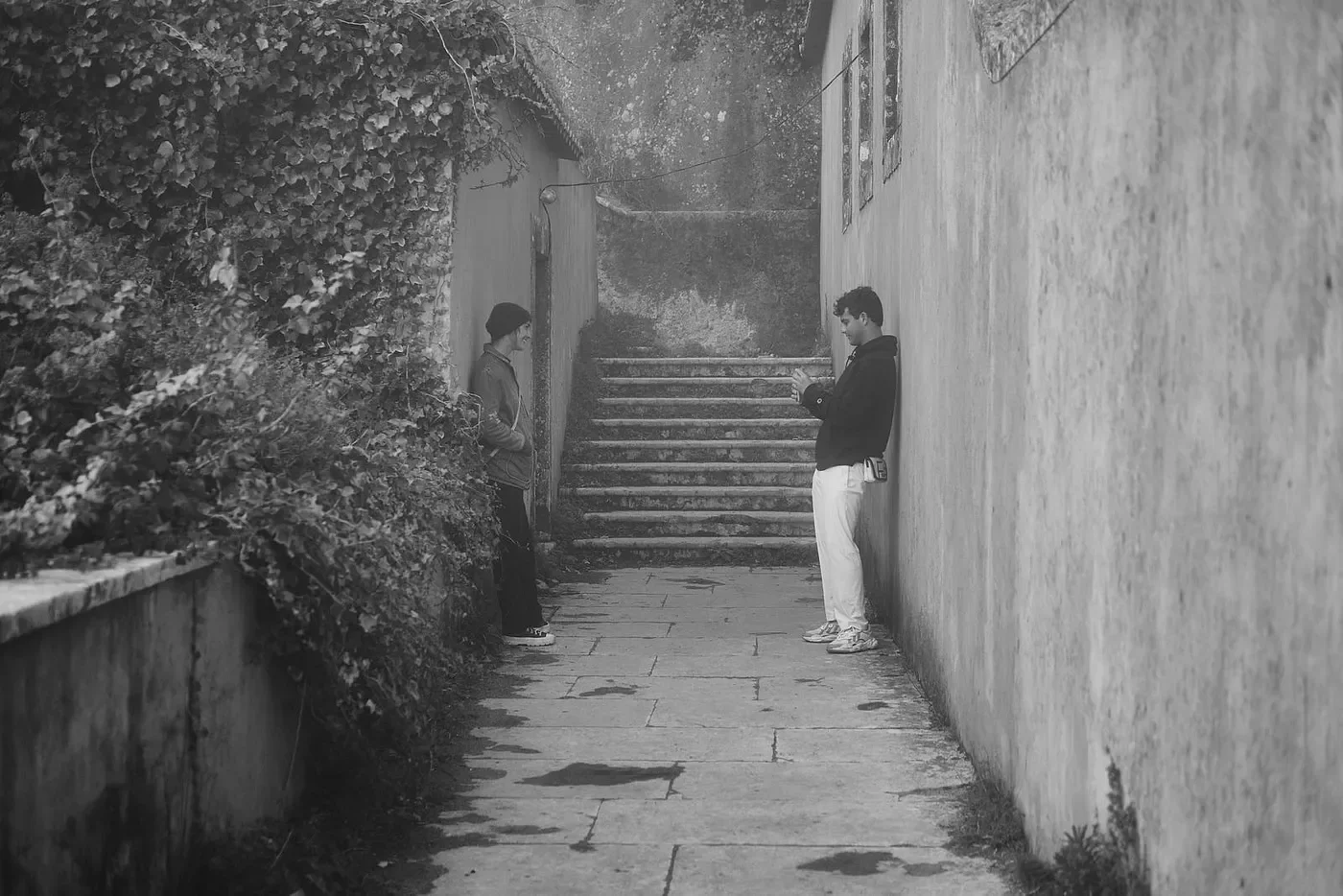
We warm our cold lungs with espresso and burned our tongues on pillow pastries whose granular sugars melted in our mouths. Pastel cottages dot the i of the mountain staring back at us through the rustic window. Around the wooden table, Paulo shares stories from past adventures in Kruger National Park and photos from the same camera which would capture these epic black-and-white photos from our shared day:
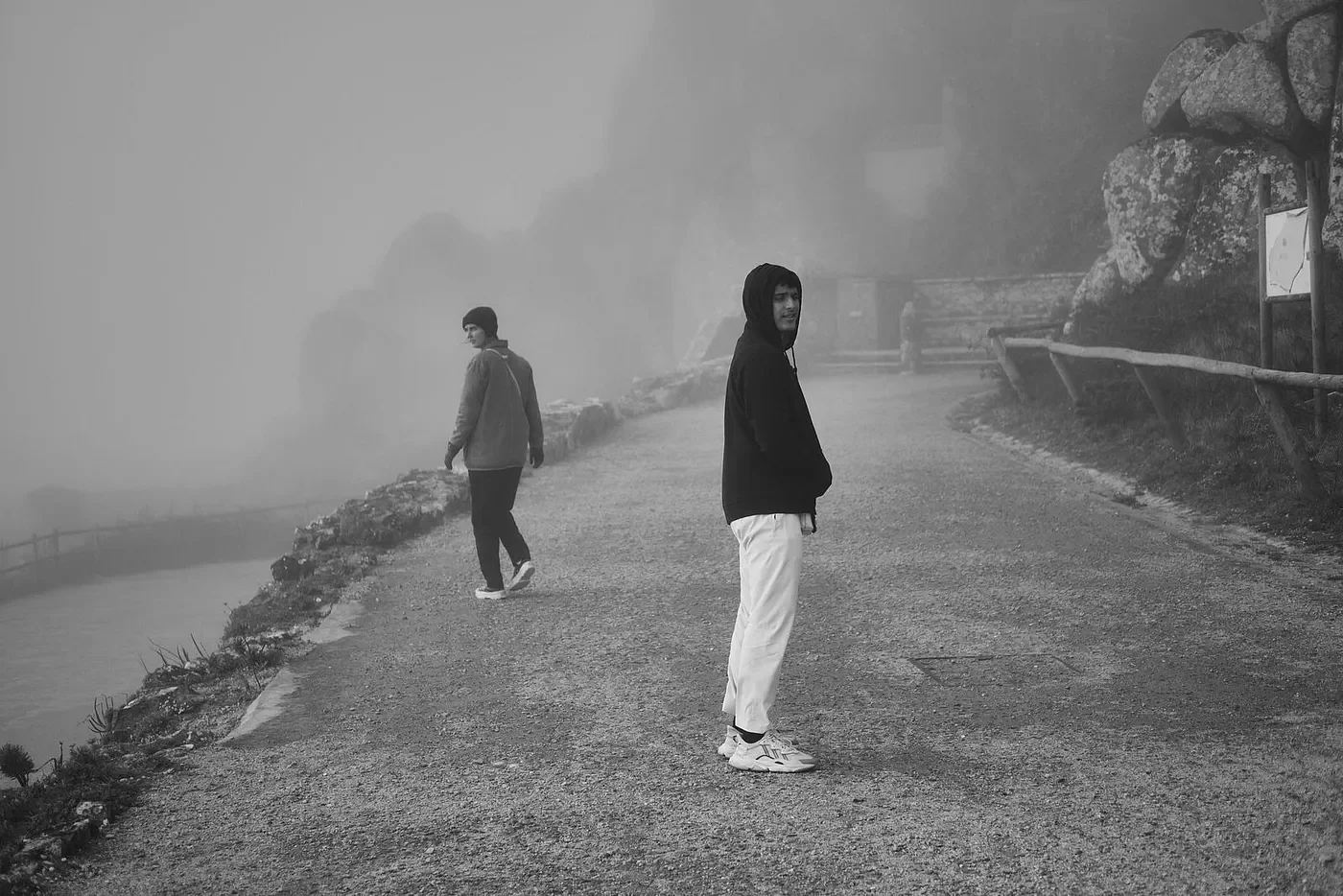
Refueled by caffeine and economically packaged queijadas, we begin the next ascent. The smell of chestnuts (quite literally roasting on an open fire) greet us outside of the cafe. Even our full bellies can’t resist so I justify €3 for the ice-cream cone shaped package. With each upward step, I crack open the charred bodies and chewed its warm insides. Like returning home from the beach with a shell, I stuck one in my pocket - eventually fossilizing on my bedroom’s bookshelf.
We trek on as local Girl Scouts in uniform run freely up and down the mountain on some mission while Portuguese avós effortlessly knit €8 hats. Where exactly we are going I neither knew nor questioned.
To tio’s dismay, tourists roam the sloped streets to witness the winter lights that only illuminate at this time of year. I can’t say much (since I was one of them), yet it felt special to walk alongside somebody who considers these mountains their home. We continue upward.
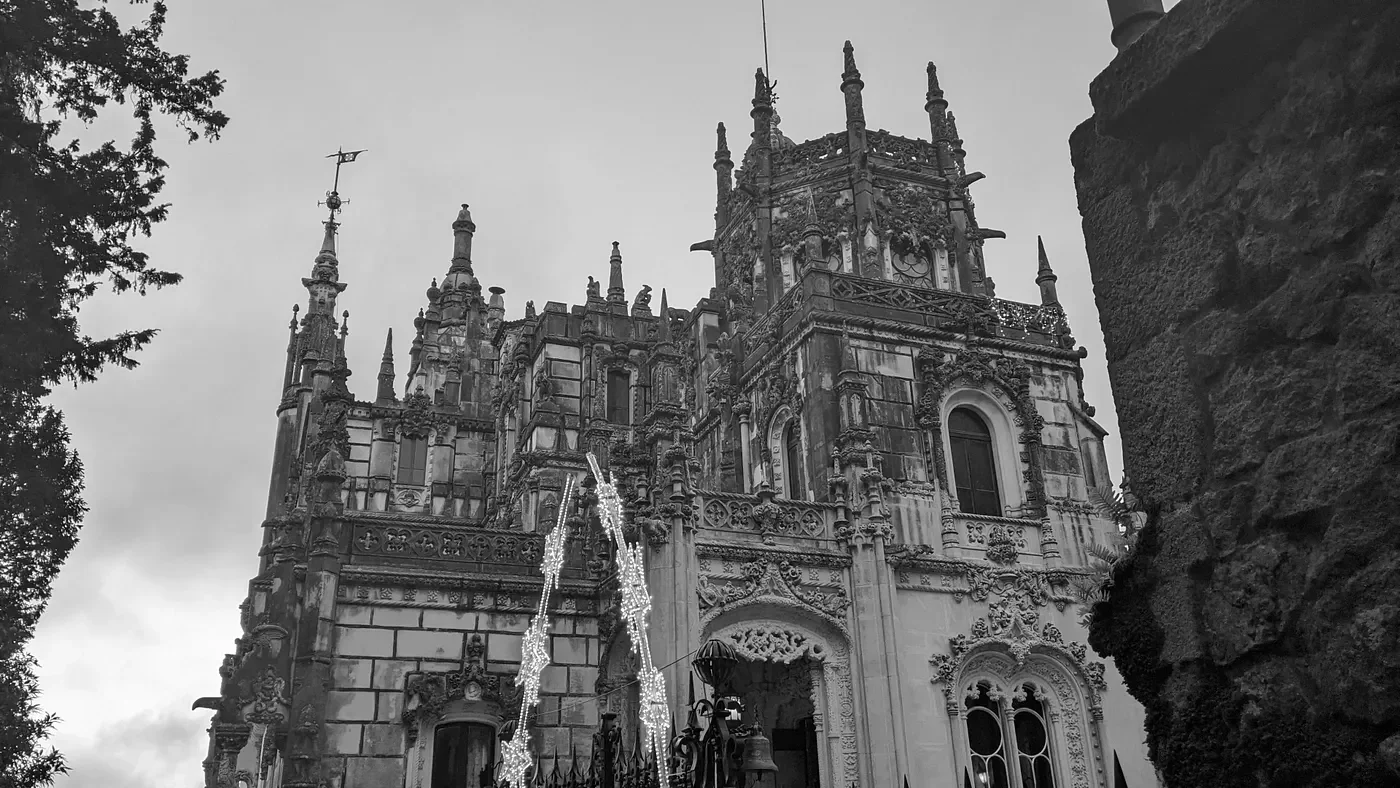
The mist increasingly thickens and the sky begins to darken as a towering gothic castle enters our field of vision. Only now do I realize where Paulo has taken us.
The twinkling holiday lights strung along the castle contrast to the gargoyles and minotaurs. In classic Tor fashion, he jokes that it looks like Cinderella decorated the place after marrying Dracula.
I feel like a kid approaching a haunted house on Halloween - but this time the ghosts and spirits don’t feel so fabricated. There is a palpable energy that reminds me I’m just a guest on these streets that are home to centuries of civilization, war, and art.
On the downhill slope, I pester Paulo with questions about Portuguese colonization and in return received impassioned answers about its oversea territories in India and Africa, the eleven provinces, and Arab rule in the South of Portugal (which explains the seemingly out-of-place architecture and explosive hues that leads one to rub their eyes).
Handmade 8x8 tiles hang for sale in an open-air stall. I intuitively hand the merchant a dark blue one with the sun in the corner and she wraps its fragile body in cloth and cardboard. Ginja cherry liquors stamped with handmade labels are purchased in a stone shop built inside themountain - which feels much like what I imagine being inside the pocket of linen pants. The fate of this bright red liquor would soon end in Rome: three friends, reunited. Three glasses, a single ice cube in each. Cin cin!
Darkness swallows the winter sky as we make our way back to the little car. Tio Paulo is nearly offended when he learns that we had yet to stop by Pastéis de Belém (I guess this confirms that it really is the best). Sintra is but a speck in the rear view mirror as we head toward the iconic pastry shop. Naturally, I begin to wonder if I’d dreamt this all…
Paulo silently pulls over and turns the hazard lights on as we hop into the notorious line. While waiting, Tor trains me to order in Portuguese. I repeat it over and over again until we reached the front of the line: “cinco pasteis para levar, por favor,” I stuttered. They tasted better knowing I worked for them.
While tio initially declined, the waft of dusted cinnamon that fills the car quickly changes his mind. In quintessential Portuguese fashion, the day concludes the same way it began: silently stuffing our faces with pastéis de nata.
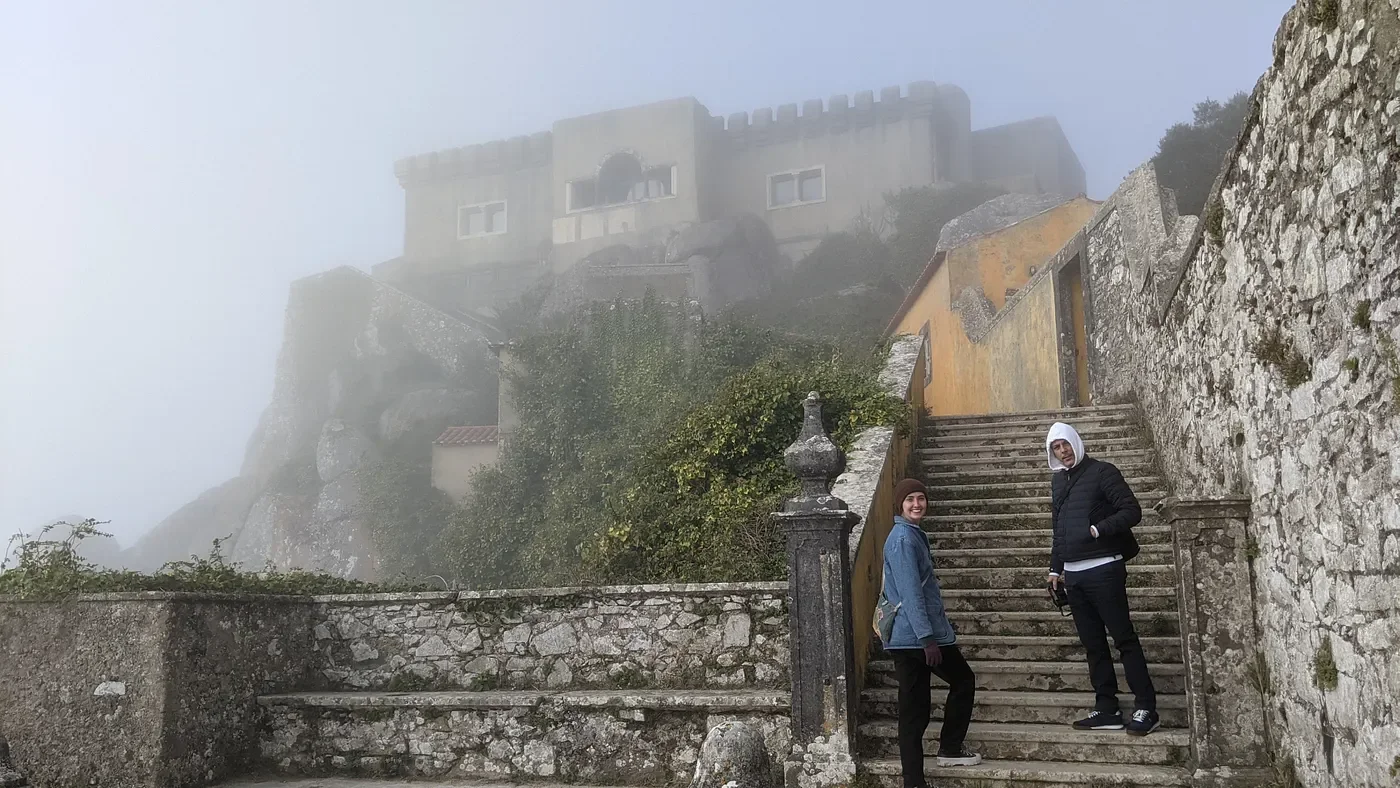
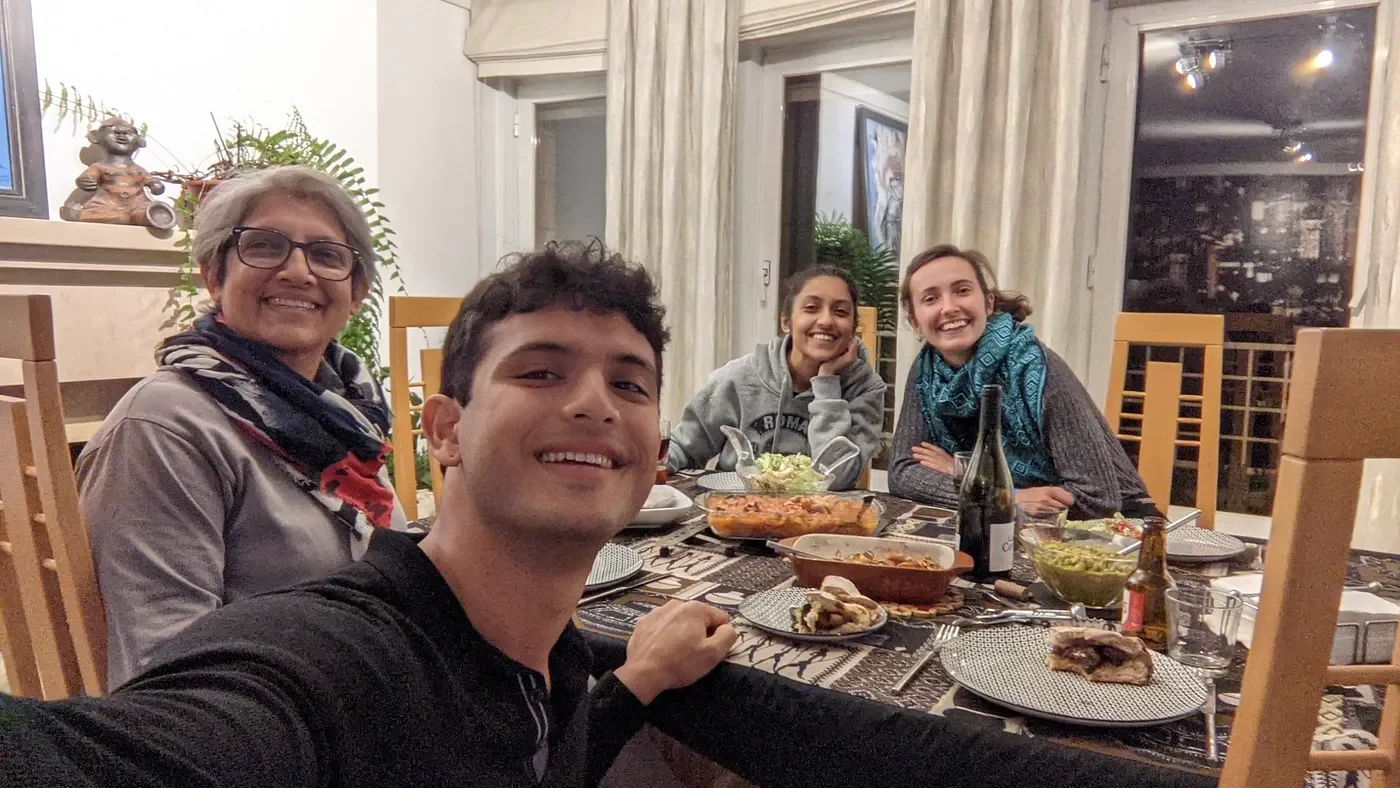
This day trip to Sintra was part of a larger week in Portugal, meeting the dear people who have shaped Tor - my frenemy of 10+ years. The time spent studying his hand-drawn family tree paid off when staying with his unforgettable tia Dora and cousin Yoko:
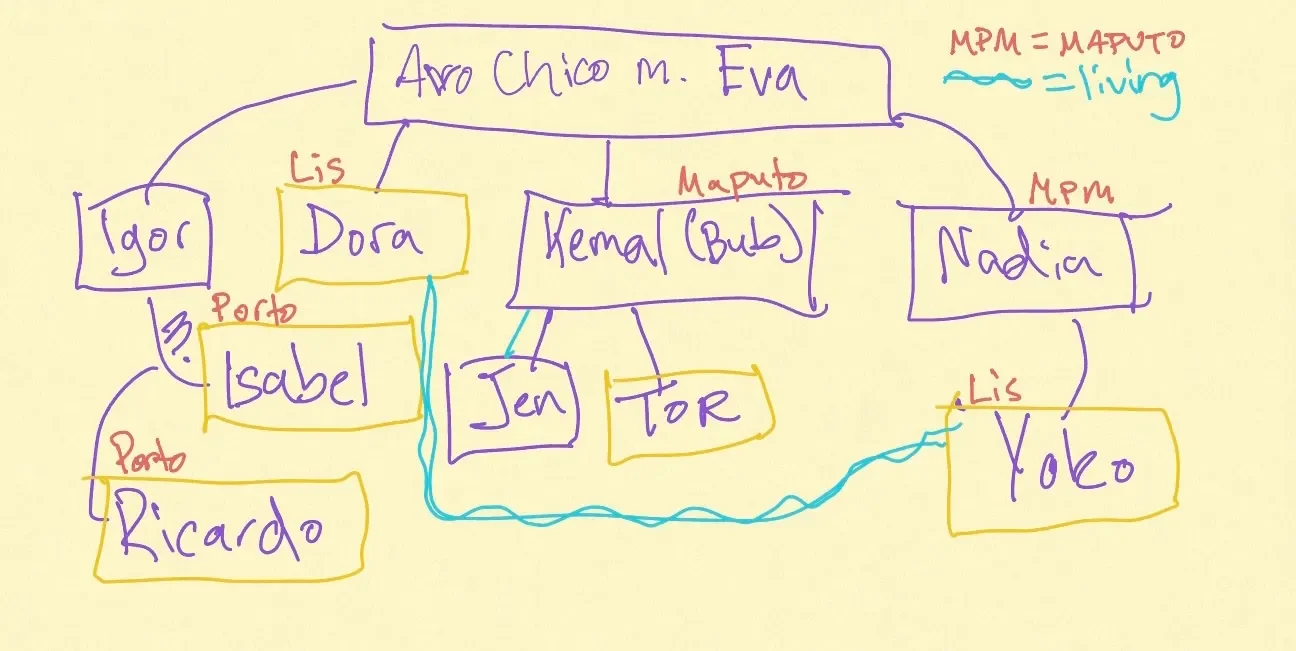
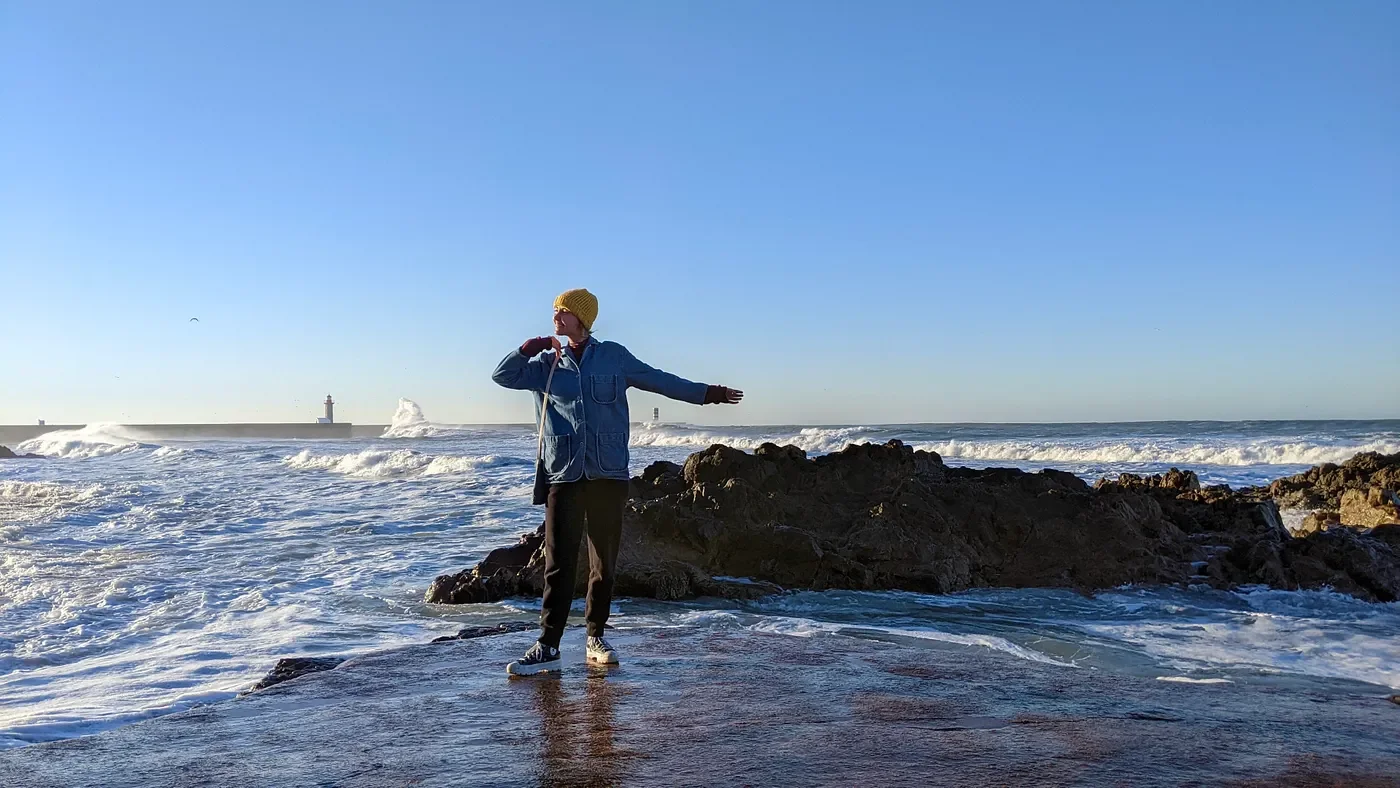
A 4-hour train ride to Porto would bring us to tia Isabel’s lavish apartment, where homemade soup and personally produced Port was awaiting us at the round kitchen table. After dropping cousin Ricardo off at school the next morning, we accidentaly ignored some safety warning signs to experience the feeling of walking on wild waters:
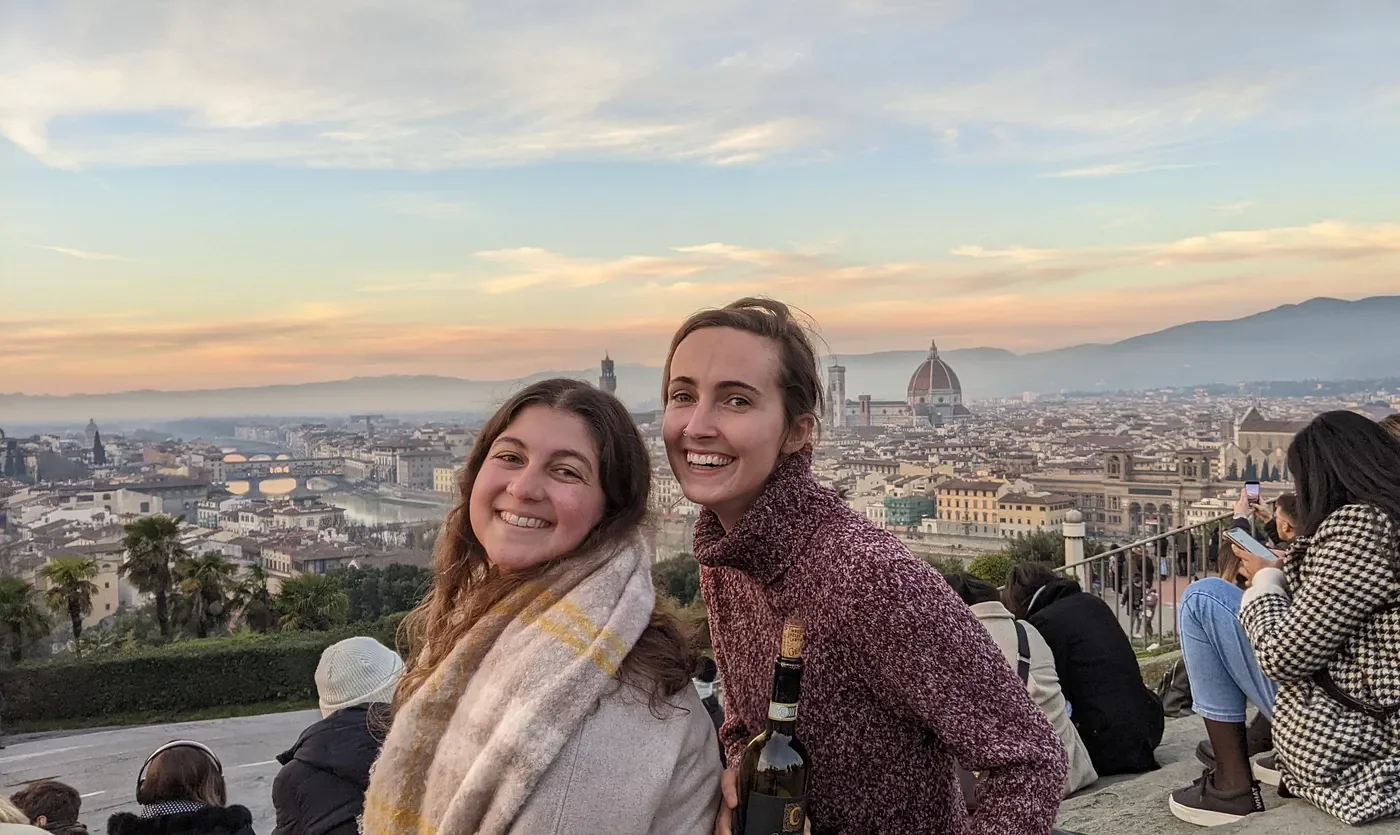
Soon enough, we would jet off to Florence, where Katie was waiting to show us the place she came to call home during her co-op. Red wine was consumed at all elevations - from the bowels of underground wine cellars to the pinnacle of the Piazzale:
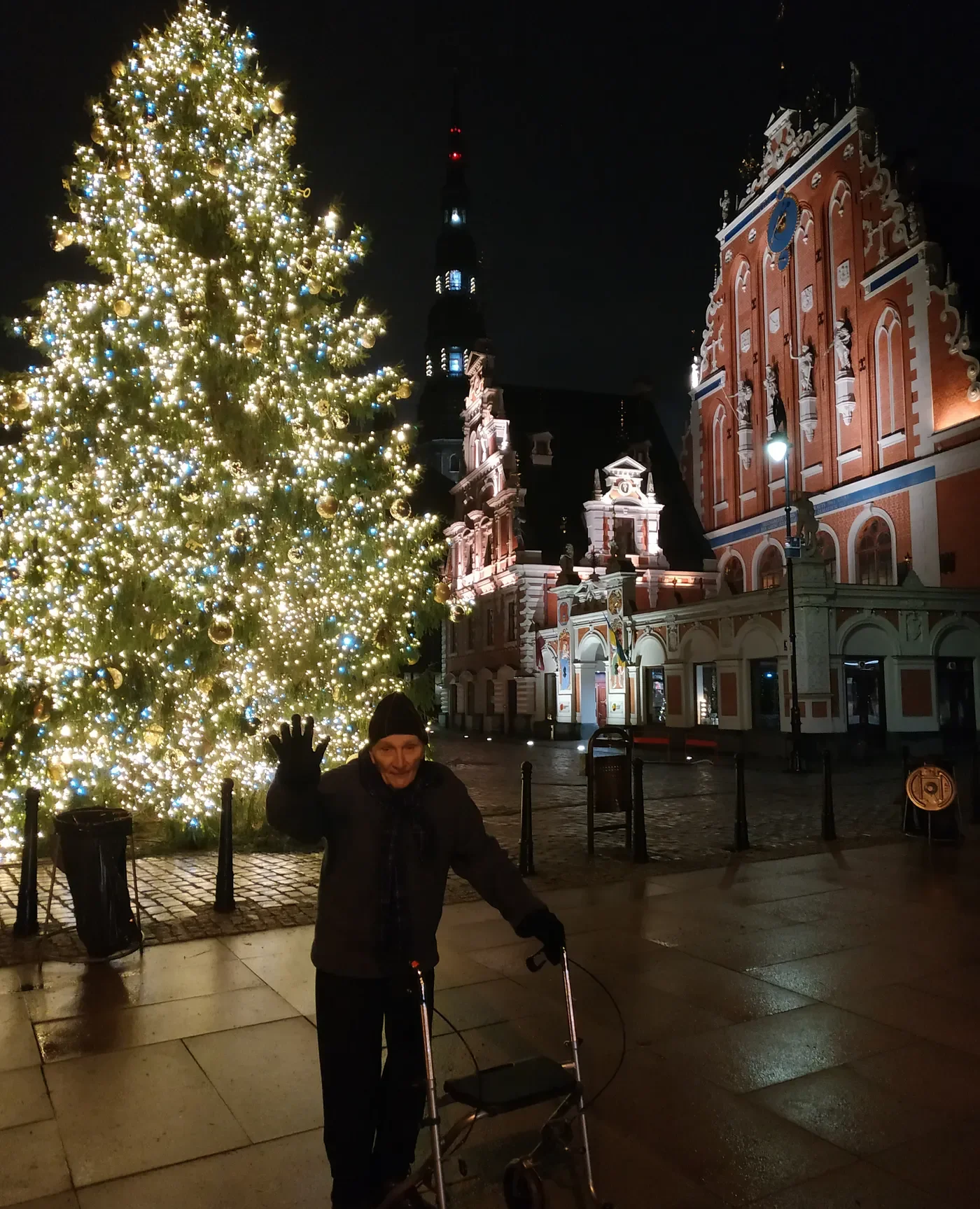
After a few more days in Rome - wandering much like the ruin cats - each of us would poetically head to opposite continents: Tor to Mozambique, Katie to Ohio, and I to Latvia - in search of the best European Christmas markets with Deda:
December 2021 — January 2022
