O’Tooles in Éire
Ghostly reunions in a crumbling chapel
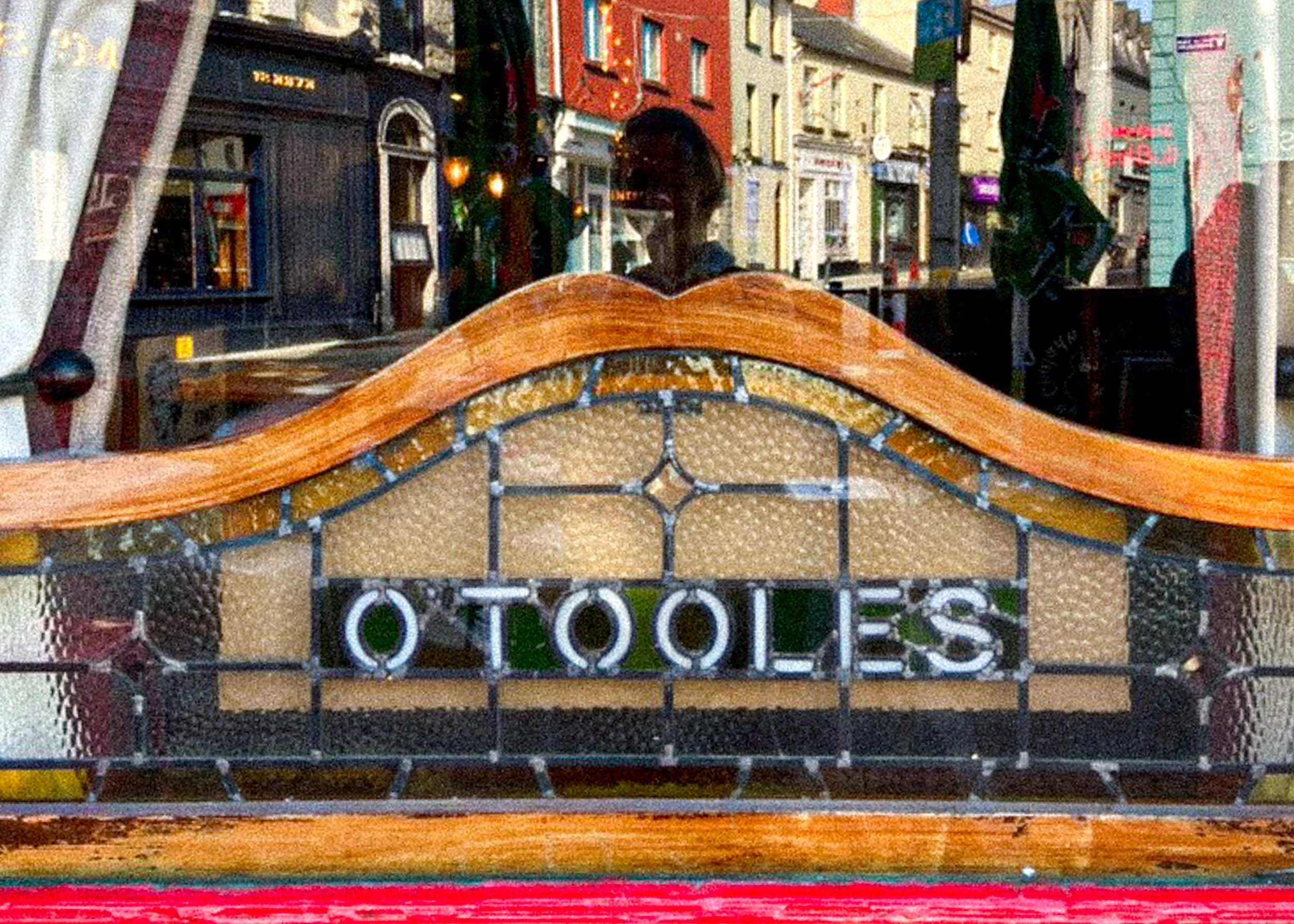
Spotting my surname on the street corners of Western Ireland.
I melt in my boots when my name is spoken in the tick Irish accent. Perhaps because something is awakened within me. Like the way it’s meant to be said - or sung, rather. Lilly O’Toole!
I wait for my host mom to call out my name in the morning just to feel that tickle. The day can now begin.
I lean with the bends of the bus as it follows the choppy shores of the Atlantic. It’s just me and the driver this morning, an older fellow with a weathered demeanor. Through the window, I witness the edge of a rolling green golf course merge with stone walls that envelop a herd of grazing calves. Whether the looming cloud overhead will release its reign is neither their nor my own business. It does as it pleases.
Across the shifting bay, I watch as the limestone hills conduct their eons-old duties. The presence of water shakes hands with my soul. After two months in Galway, I feel in full alignment with the currents around me. “Álainn ar fad!” I continue talking to myself - or rather practicing my Irish accent - until we arrive soundly in the village of An Spidéal, or Spiddal. This time, though, I’m not here for the handcrafts that define the region.
I follow the narrow seaside path along the roaring sea, watching as grandfathers, clad in overalls, cast their nets into the darkness while grandmothers summon their border collies back home. I smile when I hear them speak, although I do not understand. But I do.
Spiddal is one of the last living Irish-speaking communities, known as the Gaeltacht. Regions with better soil and infrastructure faced heavy Anglicization, but this rugged pocket of Western Ireland was insulated. Many who remain are descendants of local smallholders and rural workers, fierce protectors of the Irish language despite centuries of hardship. It’s reflected in their faces, stern yet warm upon a trusted exchange of eyes.
What’s missing, I notice, are their grandchildren. Where are the children? Well, they’ve all moved to the big city, to the City of the Tribes. There’s not much opportunity here in Spiddal, they say. What does that mean for the integrity of this town? Will the children carry their language with them? The one deemed “barbaric” by an empire sought to squash their national identity?
I wonder as I wander until I reach a cemetery on a mound. Gravestones carved with unintelligible names emerge like crooked teeth from the jaw of the earth. I notice the stones of children who gasped their last breaths before the age of five. Victims of famine, dysentary, measles… things no child should die of today.
I look up to find more stones, this time stacked atop one another. In the epicenter of the toothy grin, a leaning chapel emerges. I’m certain that this crumbling chapel has too, passed its final breath, but I inch forward until the door is against my palm. It opens. A small man sits in the corner, head bowed as he prays the rosary beads. I nod in his direction anyway.
Three strides later and I’m sitting in the front pew. It hits me instantly: something feels so familiar. Or am I just imagining it? I study every dimension of the nymph-like angel carved into the stained glass. She stares back at me, like she’s done before.
I readjust in my seat. There’s something here I’ve known before, but I can’t force myself to remember. I turn instinctively, worried I’m disturbing the man with my thoughts, but he’s vanished. I stare at his singular candle offering when I hear her voice. That distinct, playful pitch sounding in my ear.
I haven’t heard from her since she died. I wasn't even there when she died. Not even close, not even the same continent. The lack of closure weighed heavily on my heart for three years. But here it came, unexpectedly. Then again, is the ghost of your grandmother ever expected?
We catch up, but I’m the only one who needs catching up. Where are you? Where am I? I ask her a million questions until she hushes me by caressing my hand, as she’s done a million times in the pews of St. Rose on the banks of the Ohio River. The church where all 11 of her children were baptized.
Now I’m crying.
Her purple-lipped smile meets mine through tears. When I ask if I’ve conjured this, she responds with finality: it doesn’t matter.
Goodbye for now, Grandma Betty.
I seal this exchange with the spark of a thick candle, watching it burn in silence before bowing my exit. It’s time. I inhale the unknown and wait at the bus stop, situated on the bridge around the bend. Leaning along its edge, I find the river is in a hurry to meet the sea.
It’s the same older fellow who picks me up again, though this time his face looks softer. We chug back to the bustle, past the grazing calves and toward the rolling golf course. Suddenly, my pen strikes the page of my journal as the bus comes to an abrupt stop. I look up to find a rogue sheep crossing the gravel road.
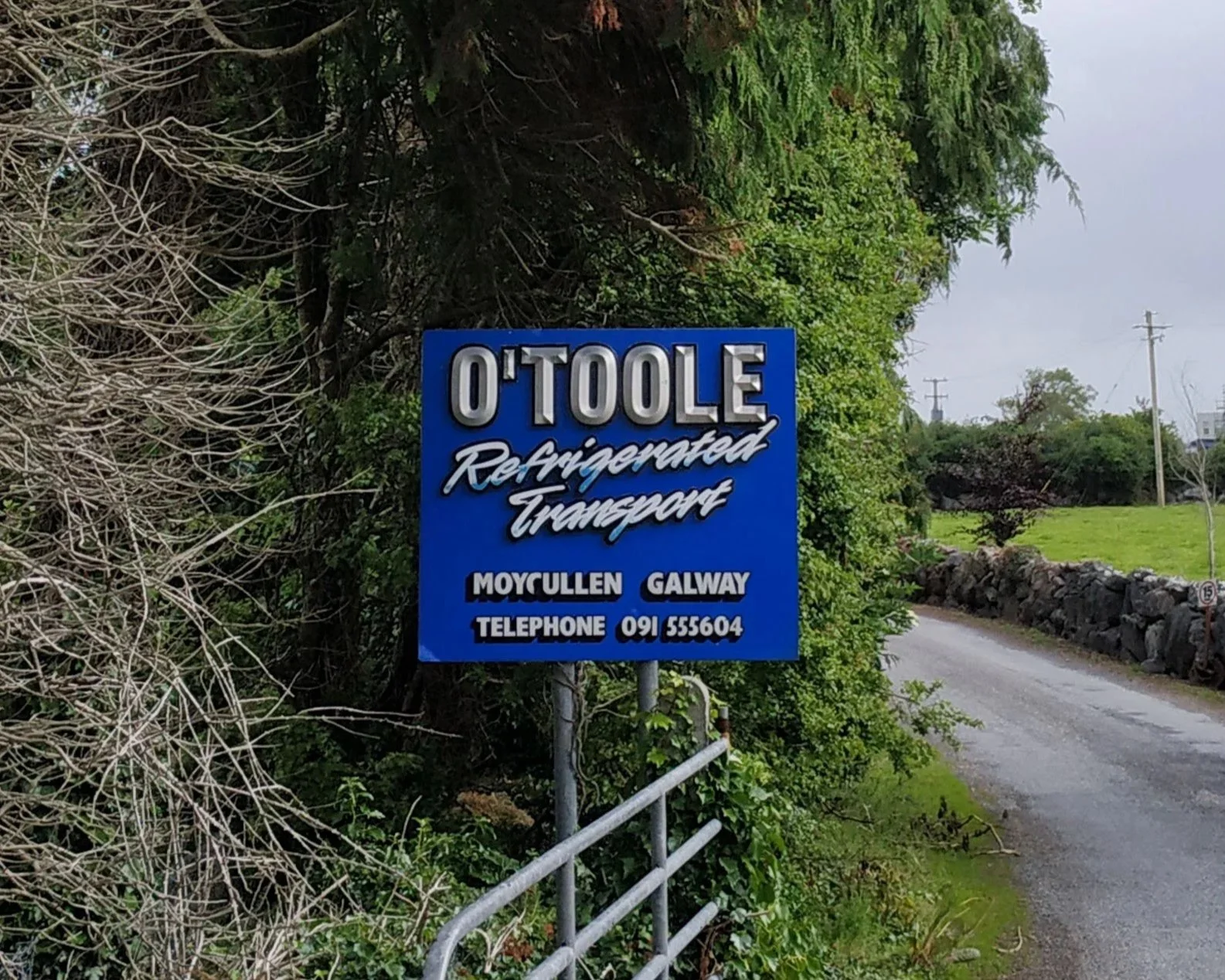
Then, with just enough time to process the shock, I look through the window to find my surname staring directly back at me.
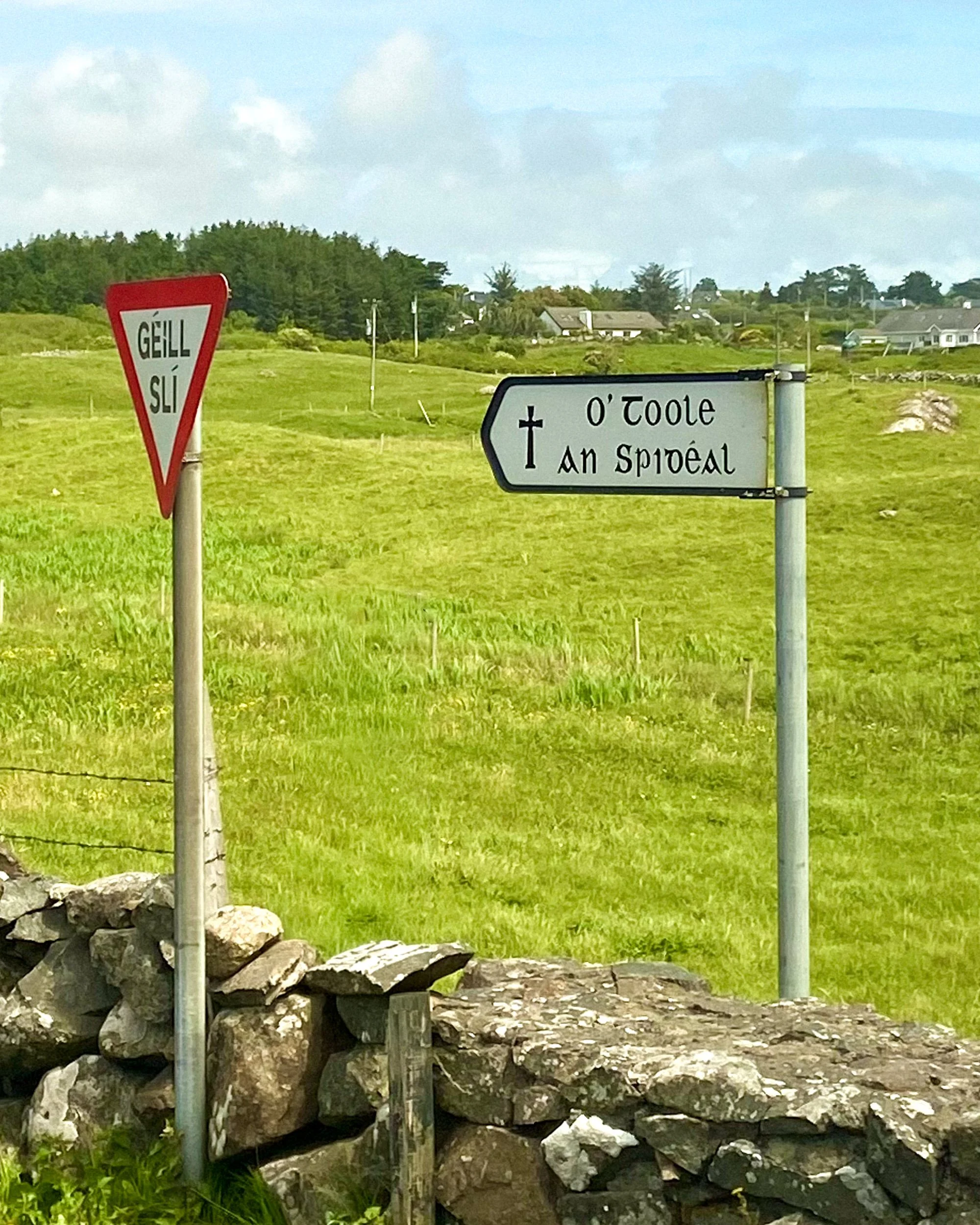
Sometimes the ancestors ask to be seen. Or perhaps they know you need to see them, and so they bring you to where you need to go. I was taken there today.
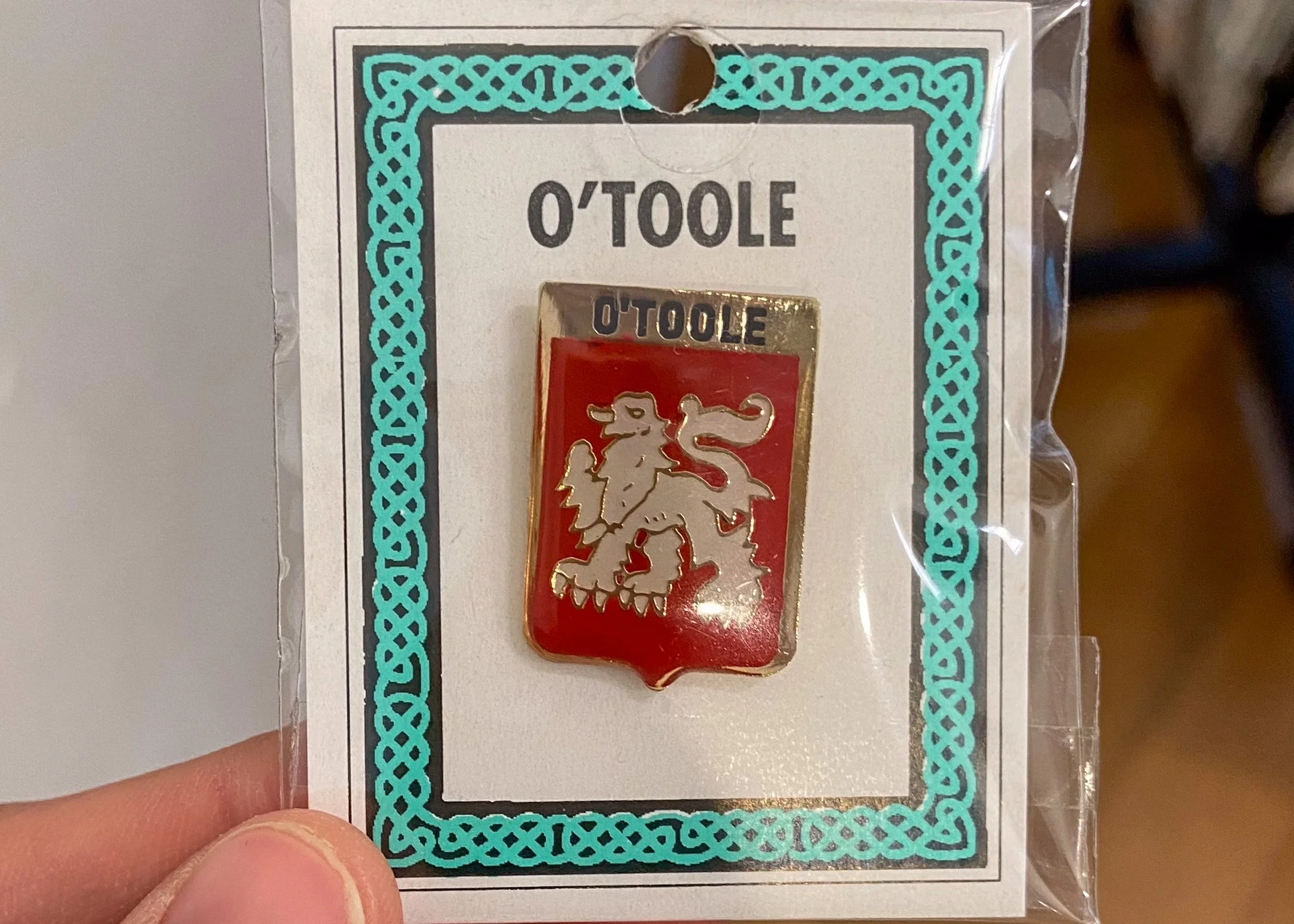
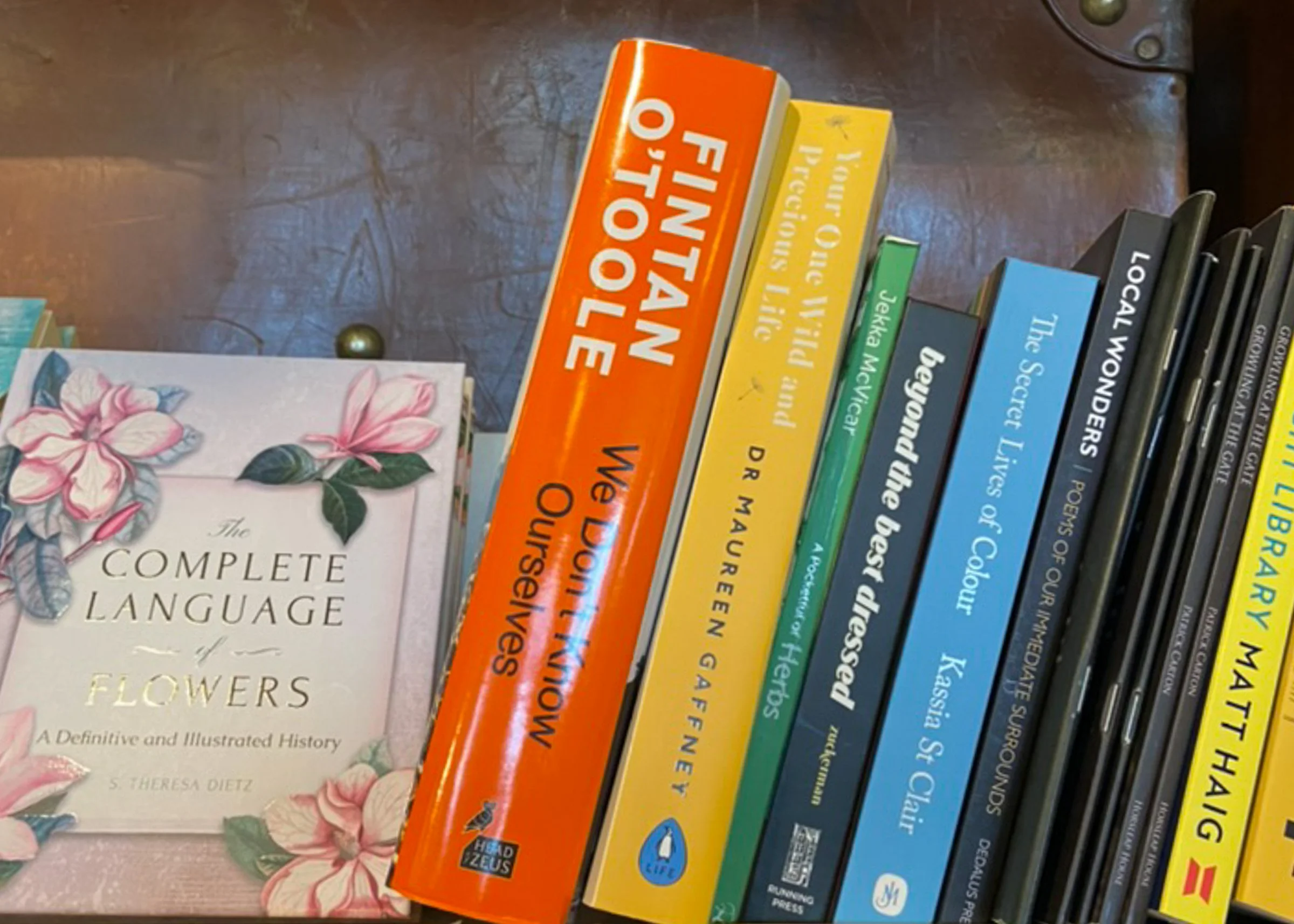
I spot my surname everywhere these days. Tucked on wooden bookshelves, stacked in the magnet section, plastered on the side of mom & pop shops. Its become a game of sorts, little winks from the universe, a reminder of the footsteps I follow. Footsteps that I’ve now traced back five generations to the county of Carlow, in the sleepy town of Hacketstown. I suppose that’s where I’m going next!